
What to Eat in Barcelona: Tapas, Markets & Local Rules
Paella isn't from here, dinner starts at 9 pm, and the best meal of your trip might cost €5 at a market bar.
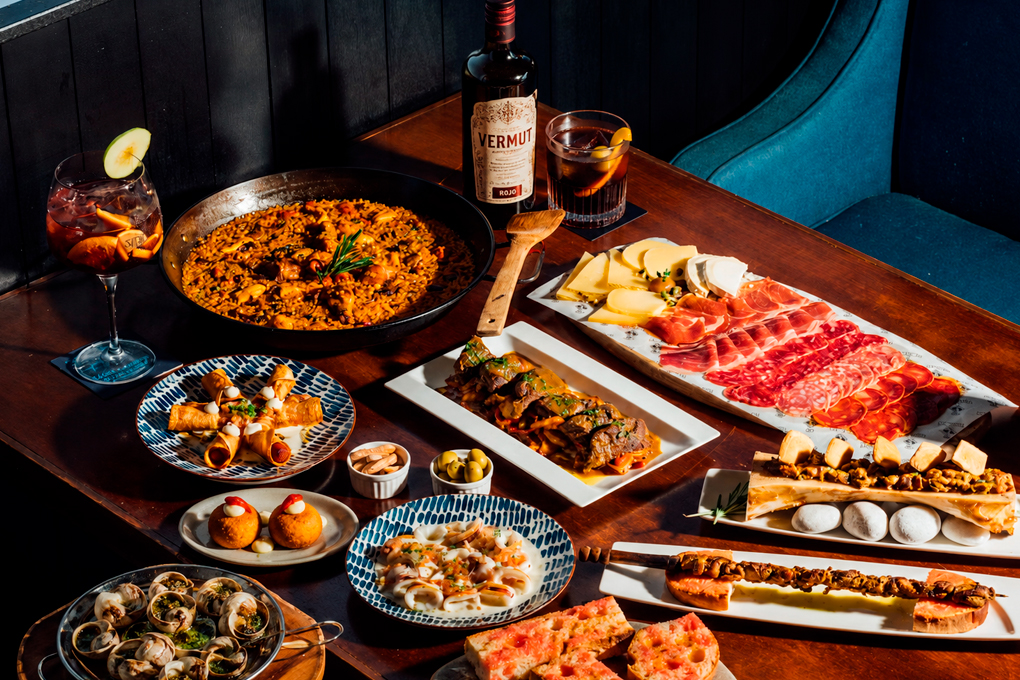
Barcelona is one of Europe's great food cities, but it punishes the unprepared. The restaurants with photos of paella on La Rambla serve frozen food to people who will never come back; meanwhile, three streets away, locals are eating better for half the price. This guide covers what Catalans actually eat, when they eat it, and how to tell a real bar from a trap.
The Dishes to Order
Pa amb tomàquet
Bread rubbed with tomato, olive oil and salt. It sounds like nothing; it is the foundation of Catalan eating and the test of any restaurant. If a place does it well, the rest of the menu is usually safe.
Bombas
A fist-sized fried potato ball stuffed with meat, served with aioli and spicy sauce — invented in Barceloneta in the 1950s. Order one per person; they are heavier than they look.
Esqueixada and escalivada
The two great Catalan vegetable-forward classics: shredded salt cod with tomato and onion (esqueixada), and smoky roasted peppers and aubergine with olive oil (escalivada). Perfect in summer.
Fideuà
What locals order instead of paella: the same seafood treatment, but with short noodles instead of rice, finished with aioli. If you must have rice, order arròs negre (black rice with squid ink) — and never at a restaurant with photos on the menu.
Crema catalana
The local answer to crème brûlée — older than the French version, Catalans will tell you, and cited in texts back to the 14th century. Lighter, with citrus and cinnamon.
The Unwritten Rules
Eating times are non-negotiable. Lunch is 2:00–3:30 pm, dinner starts at 9:00 pm. A restaurant serving dinner at 6:30 pm is serving only tourists — which tells you everything about the kitchen.
Menú del dia is the best deal in Spain. On weekdays at lunch, most honest restaurants offer a fixed menu — starter, main, dessert, bread and wine — for €13–18. It is how working locals eat, and how you should too.
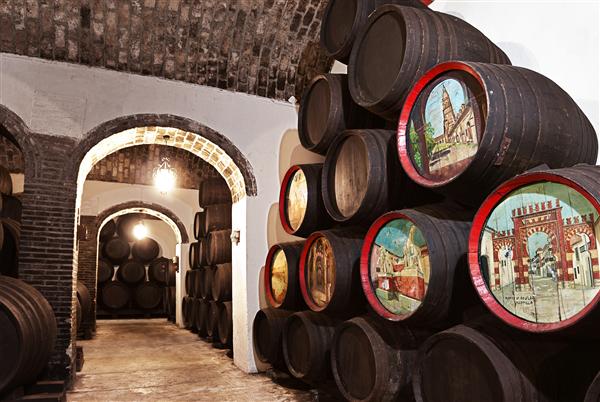
Vermouth hour ("fer el vermut") is the pre-lunch ritual: a glass of sweet red vermouth with olives and a tin of anchovies or chips, around noon on weekends. Any old bodega with marble tables and barrels on the wall is the right place.
Markets: Boqueria and Beyond
La Boqueria on La Rambla is spectacular but has become a photo attraction; the juice stalls at the entrance charge double what the ones at the back do. The real move is to eat at one of the bar counters inside — get there before 1:00 pm or be ready to hover for a stool.
For a market that still feels local, go to Mercat de Santa Caterina (five minutes from the cathedral, under a beautiful rippling mosaic roof) or Mercat de Sant Antoni, where the surrounding streets have quietly become one of the city's best eating neighborhoods.
How to Spot a Tourist Trap
The signs are reliable: photos of food on the menu, a person outside inviting you in, flags of six countries on the door, "paella + sangría" combos, and a location directly on La Rambla or facing the Sagrada Família. None of these places are dangerous — you'll just pay €25 for a microwaved paella while the best meal of your trip was waiting two streets away.
Keep Exploring
Plan your eating around your sightseeing: our Gothic Quarter walking tour ends conveniently at vermouth hour, and after the Sagrada Família the local stretch of Avinguda Gaudí has several honest terraces. Visiting Park Güell? The squares of Gràcia just below it are full of menú del dia spots.